Unlocking Creativity and Organization with Journal Notebook Dot Grid Journals
Journal Notebook Dot Grid Journals have become a staple for many professionals, students, and creatives. These versatile notebooks offer a unique blend of structure and flexibility, making them an ideal tool for a wide range of tasks. Whether you're brainstorming, planning, or simply jotting down notes, the dot grid format provides a subtle yet effective guide.
The Versatility of Dot Grid Journals
One of the key advantages of Journal Notebook Dot Grid Journals is their versatility. Unlike traditional lined or blank pages, the dot grid allows for a more structured approach to note-taking while still maintaining the freedom to create diagrams, charts, and sketches. This makes them particularly useful for:
- Mind mapping and brainstorming sessions
- Drawing and sketching
- Creating to-do lists and task management
- Planning and scheduling
For example, a designer might use a dot grid journal to sketch out initial ideas and then add detailed notes and annotations. Similarly, a student can use it to organize lecture notes and create visual aids for better retention.
Understanding the Dot Grid Format
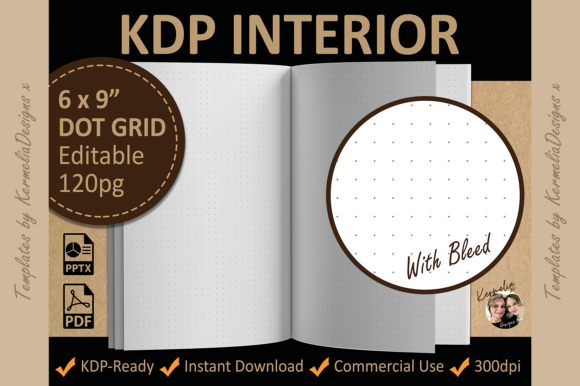
The dot grid format consists of a series of evenly spaced dots on the page. This subtle pattern provides a framework that can be used as a guide for writing, drawing, and organizing content. The dots are typically light enough to be unobtrusive, yet visible enough to serve as a helpful reference point.
Here’s why the dot grid format is so effective:
- Guidance without restriction: The dots provide a gentle guide for writing and drawing, but they don’t impose the same limitations as lines or grids.
- Versatile layout options: Users can easily create columns, tables, and other layouts by connecting the dots, making it ideal for various types of content.
- Improved readability: The subtle dots help keep handwriting straight and legible, which is especially useful for long-form notes and journal entries.
Practical Applications in Various Fields
Journal Notebook Dot Grid Journals are not just for artists and designers; they have practical applications across multiple fields. Here are some examples:
- Business and Project Management: Use the dot grid to create Gantt charts, project timelines, and task breakdowns. The flexibility of the format allows for easy adjustments and updates.
- Educational Settings: Students can benefit from the dot grid by creating study guides, mind maps, and detailed notes. The format helps in organizing information in a way that is visually appealing and easy to review.
- Creative Writing and Storyboarding: Writers can use the dot grid to outline plots, develop characters, and even sketch out scenes. The format supports both linear and non-linear thinking, making it a valuable tool for creative processes.
Choosing the Right Journal Notebook Dot Grid Journal
When selecting a Journal Notebook Dot Grid Journal, consider the following factors:
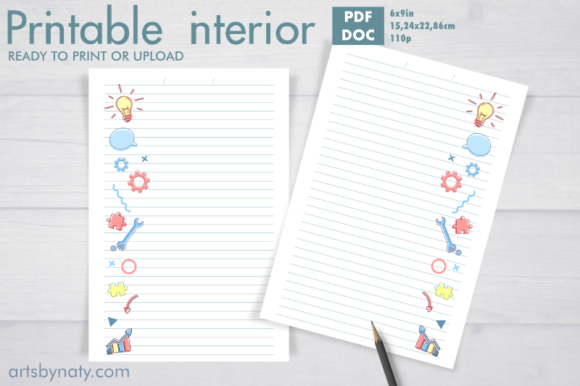
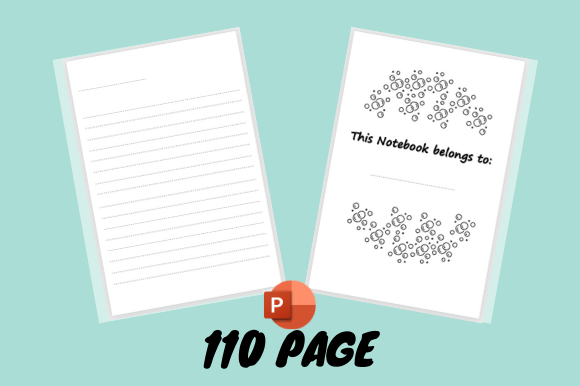
- Page count and size: Choose a notebook with a suitable number of pages and a size that fits your needs. For instance, a 110-page A5 (6 x 9 inches) notebook is a popular choice for its portability and ample space.
- Paper quality: Opt for high-quality paper that can handle different types of pens and markers without bleeding or ghosting. Acid-free paper is also a good choice for long-term use.
- Binding and cover: Consider whether you prefer a hardcover or softcover, and whether the binding is sewn or glued. A well-bound notebook will lie flat and withstand regular use.
For those who need a digital option, many Journal Notebook Dot Grid Journals come with digital files, such as PowerPoint (PPTX) and PDF formats. These files can be used to print additional pages or to share and collaborate with others.
Maximizing Productivity with Dot Grid Journals
To get the most out of your Journal Notebook Dot Grid Journal, here are some tips:
- Customize your layout: Use the dots to create custom layouts that suit your specific needs. For example, you can create a weekly planner, a habit tracker, or a goal-setting template.
- Use color coding: Add color to your notes and drawings to make them more visually appealing and easier to understand. This can be especially useful for categorizing information and highlighting important points.
- Combine with other tools: Integrate your dot grid journal with other productivity tools, such as digital apps and physical planners. This can help you stay organized and ensure that all your tasks and notes are in one place.
Conclusion
Journal Notebook Dot Grid Journals offer a unique and versatile solution for anyone looking to enhance their note-taking, planning, and creative processes. With their subtle yet effective dot grid format, these journals provide the perfect balance of structure and flexibility. Whether you’re a professional, a student, or a creative, a dot grid journal can be a valuable addition to your toolkit.